
Swan Hellenic vs Lindblad Expeditions

Swan Hellenic is the smaller, lower-priced, culturally-oriented expedition line — Lindblad Expeditions is the larger, National Geographic-partnered operator with the deepest science and education programming and a premium price point. Both are strong, IAATO-aligned choices; the right pick depends on ship size, budget and how much onboard science you want.

Technical Specifications

FeatureSwan HellenicLindblad Expeditions
ShipsSH Minerva, SH Vega, SH DianaNational Geographic Endurance, Resolution, Explorer (+ ~21 other fleet ships)
Passengers152 guests (Minerva/Vega), 192 guests (Diana)126 guests (Endurance/Resolution), 148 guests (Explorer)
Ice classPolar Class 5 (Minerva, Vega); PC6 (Diana)PC5 Category A (Endurance, Resolution)
FoundedBrand originated 1950; relaunched 20201979, as Special Expeditions
Key partnershipsJRE-Jeunes Restaurateurs, SETI Institute, Stony Brook University, HappywhaleNational Geographic, Seafood Watch
DestinationsAntarctica, Arctic, Mediterranean, West Africa, Asia-PacificAll seven continents

Ships and Fleet

Swan Hellenic

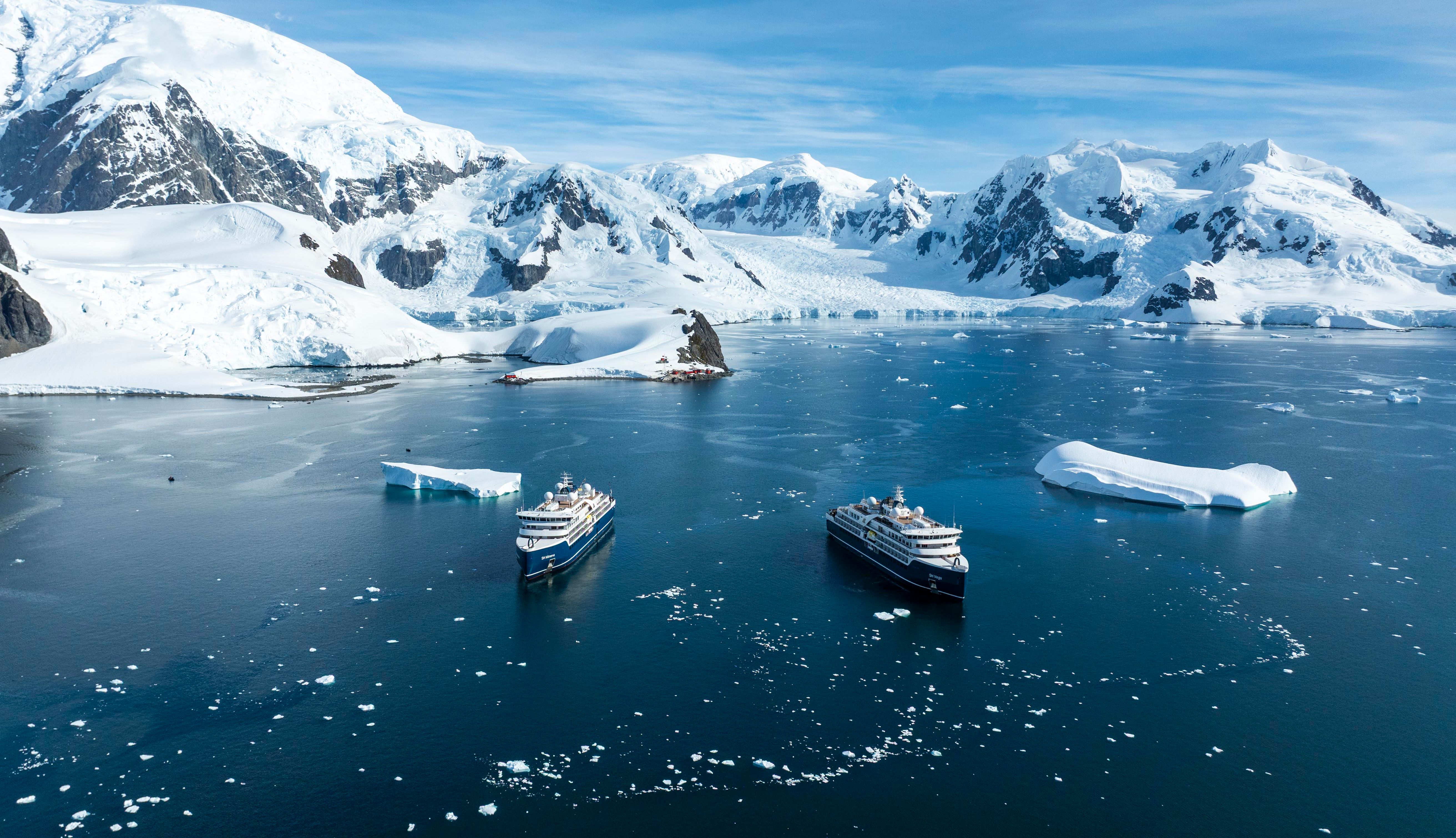
Three purpose-built expedition ships: SH Minerva (2021) and SH Vega (2022), 152 guests / 76 staterooms each at Polar Class 5, plus the larger SH Diana (2023) at 192 guests / 96 staterooms and PC6. All three carry historians, naturalists and scientists as part of the expedition team.

Lindblad Expeditions

National Geographic Endurance and National Geographic Resolution are identical PC5 Category A sister ships, each carrying 126 guests. The larger National Geographic Explorer carries 148 guests. Fleet-wide, Lindblad operates roughly 24 owned and chartered ships ranging from 16 to 160 guests.

Destinations and Itineraries

Swan Hellenic

Antarctica and the Arctic (Svalbard, Norway, Iceland) form the core polar season, with Mediterranean, West Africa and Asia-Pacific itineraries added for the 2026 season.

Lindblad Expeditions

The broadest geographic footprint of any operator compared on this site — polar voyages plus itineraries spanning the Americas, Europe, Africa, Asia and Oceania.

Price and Value

Swan Hellenic is generally positioned as a lower-priced entry point into scholar-led polar cruising compared with luxury operators like Ponant or Silversea. Lindblad Expeditions sits at a premium price point, reflecting its National Geographic partnership, fleet breadth and onboard science programming. Neither operator publishes fixed rate cards here — current pricing and itinerary-specific rates are best confirmed directly on each operator's own website.

Onboard Experience

Swan Hellenic

Dining runs through the open-seating Swan Restaurant and the 24-hour Club Lounge (pastries, British afternoon tea, tapas-style evenings). A rotating guest-chef program with JRE-Jeunes Restaurateurs sails aboard SH Vega and SH Diana under the Maris culinary program. Science programming includes a SETI Institute partnership on select voyages and citizen-science work with Stony Brook University and Happywhale. Expedition team: historians, naturalists and scientists leading Zodiac cruising and shore landings.

Historians, naturalists and scientists aboard every voyage.

Lindblad Expeditions

Daily-changing menus with regional dishes, a Chefs-at-Sea guest-chef program, and a Seafood Watch sustainable-seafood partnership. Onboard science includes an Open Bridge policy, undersea specialists and ROVs on newer polar ships, and a Global Explorer/Guest Speaker program. Activities range from Zodiacs and sea kayaking to paddleboards, snowshoes and cross-country skis depending on the ship.

Zodiac cruising, sea kayaking, and (ship-dependent) paddleboards, snowshoes and skis.

Who Each Line Is Best For

Choose Swan Hellenic if you want scholar-led polar cruising on a smaller ship at a lower price point than the big luxury lines. Choose Lindblad Expeditions if you want the widest destination range, the deepest onboard science programming, and the National Geographic name — and are willing to pay a premium for it.

Swan Hellenic In Depth

The Swan Hellenic name originated in 1950 and was relaunched in 2020 under new ownership after the brand's 2017 collapse. The rebuilt line positions itself as "cultural-expedition" cruising — historians, naturalists and scientists sail alongside guests, and pricing sits below the big luxury expedition lines while still offering scholar-led programming.

Days follow a rhythm of Zodiac cruising and guided shore landings, led by the historians, naturalists and scientists who sail as part of the expedition team on every voyage. Evenings shift between the open-seating Swan Restaurant and the 24-hour Club Lounge, with British afternoon tea and tapas-style service alongside the rotating JRE-Jeunes Restaurateurs guest-chef program on SH Vega and SH Diana. On select voyages, SETI Institute programming and citizen-science work with Stony Brook University and Happywhale give guests a hand in real polar research rather than just observing it.

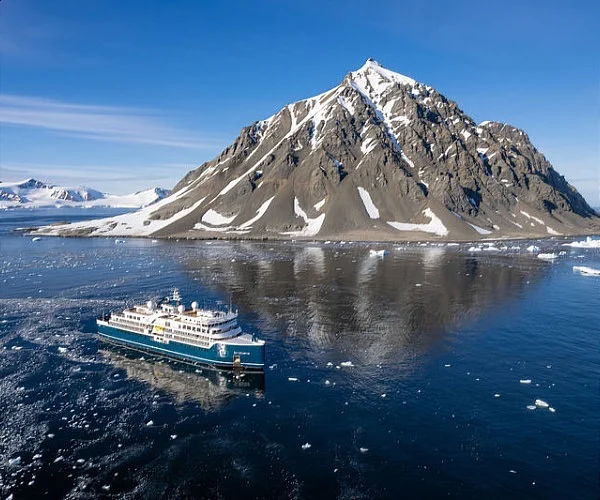
SH Minerva and SH Vega together in Paradise Bay, Antarctica SH Minerva sailing past a volcanic mountain landscape

The Good

  • Lower price point than large luxury expedition lines
  • Scholar-led expedition team: historians, naturalists and scientists
  • Real science partnerships (SETI Institute, Stony Brook University, Happywhale)
  • Rotating guest-chef program via JRE-Jeunes Restaurateurs

The Compromises

  • Smaller destination range than Lindblad Expeditions' fleet-wide, all-seven-continents footprint
  • Brand relaunched in 2020, with a shorter modern track record than Lindblad or Poseidon
  • Fleet limited to three ships

Lindblad Expeditions In Depth

Lindblad Expeditions was founded in 1979 as Special Expeditions by Sven-Olof Lindblad, and has partnered with National Geographic since 2004. It operates the largest and most versatile fleet in expedition cruising — roughly 24 owned and chartered ships fleet-wide, ranging from 16 to 160 guests — sailing to all seven continents.

Menus change daily with regional dishes, supported by farm-to-table programs in the Galápagos and Pacific Northwest, a Chefs-at-Sea guest-chef program, and a Seafood Watch sustainable-seafood partnership. Onboard science leans on an Open Bridge policy, undersea specialists and ROVs aboard the newer polar ships, and a Global Explorer/Guest Speaker program. Activities vary by ship and region: Zodiacs, sea kayaking, paddleboards, snowshoes and cross-country skis.

The Highlights

  • Broadest destination range of any operator — all seven continents
  • National Geographic partnership and Global Explorer/Guest Speaker program
  • Undersea specialists and ROVs on newer polar ships
  • Largest fleet in expedition cruising, ~24 ships

Considerations

  • Premium price point relative to Swan Hellenic and Poseidon Expeditions
  • Guest capacity varies notably by ship (126 to 148 on polar vessels alone)

3 Alternatives to Swan Hellenic and Lindblad Expeditions

Looking beyond Swan Hellenic? These three small-ship operators are worth comparing for Antarctica and the Arctic.

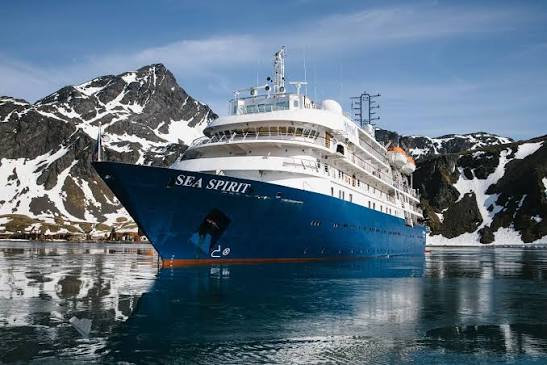
M/V Sea Spirit, Poseidon Expeditions' 114-passenger expedition ship, in a polar fjord

Poseidon Expeditions

  • 114-passenger M/V Sea Spirit, ice-strengthened hull
  • Up to 3 landings/day, ~2.5 hrs each — no one waits aboard
  • IAATO member since 2011

27 years of polar expertise (founded 1999), sailing to Antarctica, Svalbard, Greenland and the British Isles, with optional sea kayaking and Antarctic overnight camping.

Visit Website
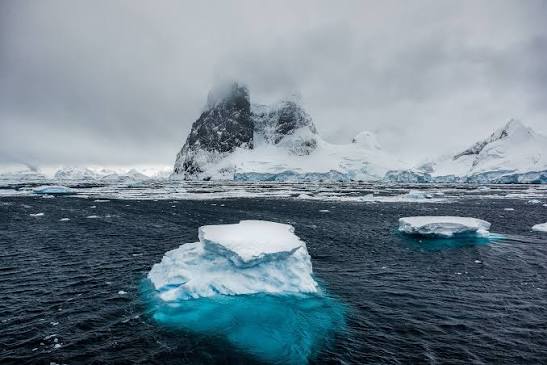
Polar expedition landscape

Oceanwide Expeditions

  • 116–170 guests across MV Hondius, MV Ortelius, MV Plancius
  • No-frills, maximum-time-ashore "Basecamp" voyages bundle every activity at no extra charge
Dutch, polar-only operator since 1993. Flagship MV Hondius (2019) was the world's first Polar Class 6 passenger vessel.

Visit Website
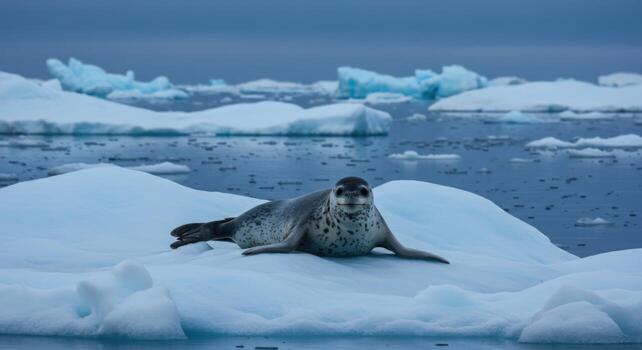
Leopard seal resting on an ice floe in polar waters

Quark Expeditions

  • 128–199 guests, fleet from Ocean-class ships to flagship Ultramarine
  • Widest activity roster: kayaking, snowshoeing, overnight camping, and (Ultramarine only) helicopter-supported excursions

Polar-only specialist since 1991, with the widest range of ship sizes and the deepest Antarctic + Arctic route variety in the segment.

Visit Website

Frequently Asked Questions

What is the best company to go to Antarctica with?

There's no single "best" — it depends on ship size and budget. Swan Hellenic and Lindblad Expeditions both run strong, IAATO-member Antarctic programs; smaller-ship purists often look at Poseidon Expeditions' 114-passenger M/V Sea Spirit for maximum time ashore at a lower price point.

Why are Lindblad Expeditions so expensive?

Lindblad prices reflect its National Geographic partnership, the widest destination range in expedition cruising (all seven continents), and deep onboard science programming — undersea specialists, ROVs, an Open Bridge policy and a Global Explorer/Guest Speaker program.

Are Lindblad Expeditions worth it?

For travelers prioritizing route variety, brand recognition and onboard science and education, yes — it's a premium product built around those strengths. Travelers focused purely on value or smaller ships may prefer Swan Hellenic or Poseidon Expeditions.

Which cruise line is best for expeditions?

Among the operators compared here, Lindblad Expeditions offers the broadest destination range and largest fleet, Swan Hellenic offers scholar-led cruising at a lower price, and Poseidon Expeditions offers the smallest ship and maximum time ashore. See our full ranked comparison.

Is Swan Hellenic bigger or smaller than Lindblad Expeditions?

Swan Hellenic's three ships (152–192 guests each) are individually similar in size to Lindblad's polar ships (126–148 guests), but Lindblad's fleet-wide operation of roughly 24 ships is far larger overall, spanning all seven continents.

Which is more affordable, Swan Hellenic or Lindblad Expeditions?

Swan Hellenic is generally the lower-priced entry point into scholar-led polar cruising; Lindblad Expeditions sits at a premium price point. Confirm current rates directly with each operator.

Does Swan Hellenic or Lindblad Expeditions have better onboard science?

Both invest heavily in onboard science. Swan Hellenic partners with the SETI Institute, Stony Brook University and Happywhale; Lindblad runs an Open Bridge policy and deploys undersea specialists and ROVs on its newest polar ships.

Related Comparisons